Mattress Pad vs. Mattress Topper: Which One Do You Actually Need?
Feeling confused browsing online, seeing “mattress pad” and “mattress topper” used almost interchangeably? You're not alone! This mix-up leads countless shoppers to buy something that doesn't actually solve their problem. This mix-up leads infinite buyers to purchase some thing that would not sincerely clear up their problem. Choosing the incorrect one can suggest wasted money, endured discomfort, or insufficient mattress protection.
Let's cut through the confusion. While both sit on top of your mattress, they serve fundamentally different purposes. Understanding this distinction is indispensable for getting a higher night's sleep and defending your investment. This essay will wreck down precisely what every product does, who wishes which one (or both!), and how to make the best preference for your special situation.
The Core Difference: Protection vs. Comfort
Mattress Pad: Think of it as a fitted sheet's protective big brother. Its primary mission is to safeguard your mattress.. It acts as a indispensable barrier in opposition to spills, stains, dirt mites, sweat, useless pores and skin cells, and general wear and tear. While some pads offer a minor softening layer (often quilted with thin polyester fill), comfort enhancement is a secondary bonus, not its main job. It’s thin (usually 0.5 to 1.5 inches thick) and designed to stretch tightly over your mattress like a fitted sheet.
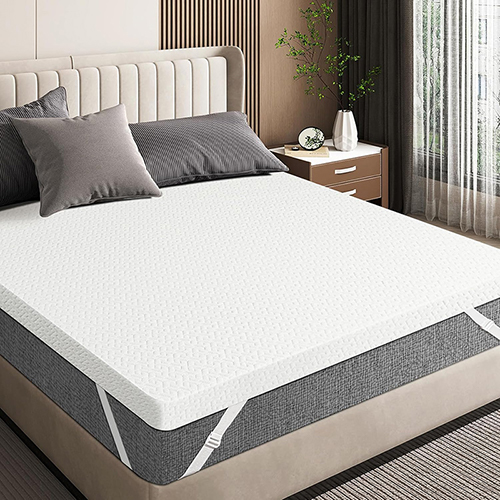
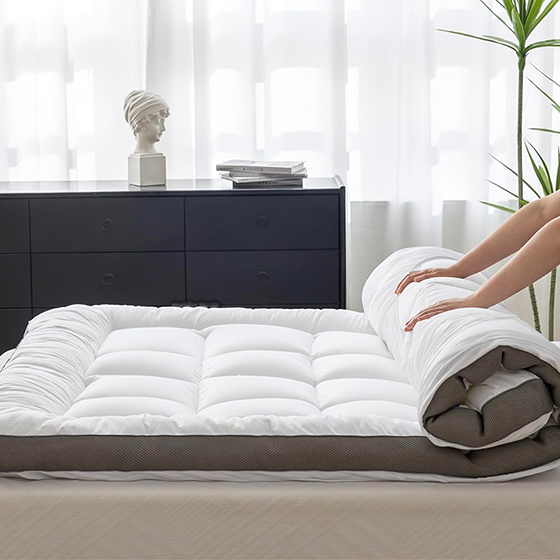
Mattress Topper: This is your comfort upgrade specialist. Toppers are appreciably thicker (typically 1 to four inches, from time to time more) and are made from substances specially chosen to trade how your mattress feels. Their purpose is to add cushioning, regulate firmness, relieve strain points, or furnish greater support. While they offer some protection simply by being a layer, that's not their primary design goal.
Deep Dive: The Mattress Pad
Imagine your mattress is a valuable painting. A mattress pad is like the protective glass you put in front of it. Its core function is defense:
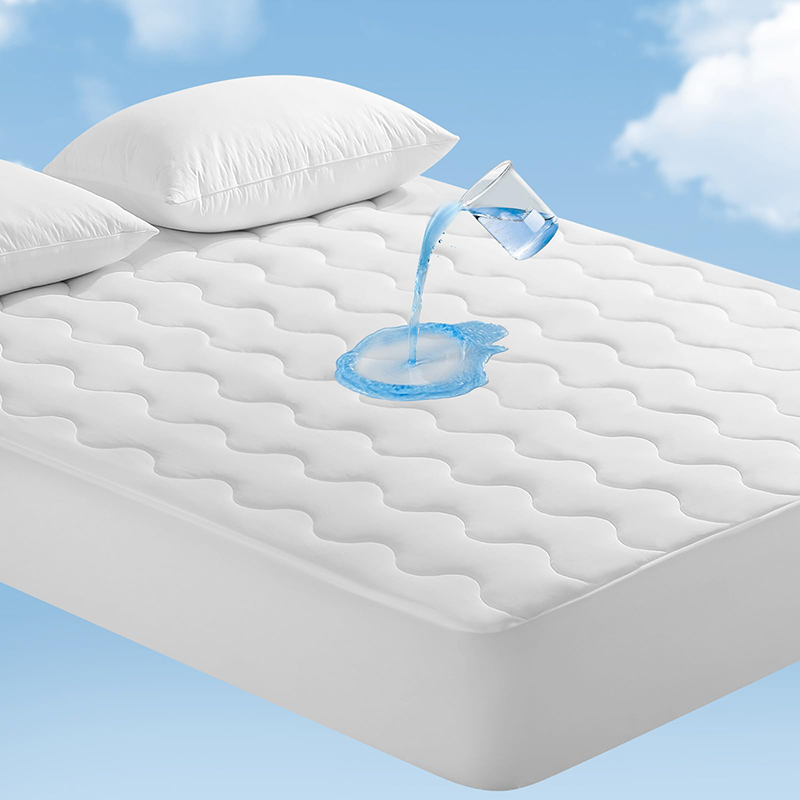
Liquid Defense: Spilled coffee, wine, dead night accidents, or sweat? A water-proof or water resistant pad (often with a TPU membrane between material layers) creates an crucial shield. This prevents deep stains and the boom of mould and mildew interior your mattress core. Should you use a mattress pad if spills are a concern? Absolutely – it's the first line of defense.
Allergen Barrier: Dust mites thrive in mattresses, feeding on dead skin cells. Their waste is a major allergen. A tightly woven pad, in particular one marketed as "hypoallergenic," acts as a bodily barrier, drastically decreasing your exposure. Should you use a mattress pad for allergies? It's a vital method for decreasing dead night allergens.
Stain & Soil Prevention: Beyond liquids, pads defend in opposition to common dirt, physique oils, and day-to-day filth that seep thru sheets. This keeps your mattress core cleaner for longer.
Wear & Tear Reduction: Constant friction from sheets and physique motion can put on down mattress fabrics. A pad absorbs this friction, extending the surface life of your mattress.
Warranty Preservation: Many mattress warranties require the use of a protective pad to guard against stains as proof of proper care. Spilling something without one could void your warranty. Should you use a mattress pad to protect your investment and warranty? Without question – check your warranty terms!
Minor Comfort/Feel: While now not its main job, quilted pads (like these with a skinny layer of polyester fiberfill or down alternative) can add a subtle plushness. However, don't expect it to radically change a rock-hard mattress.
Types of Mattress Pads:
Quilted Fiberfill: Most common, affordable, offers basic protection and slight softness.
Waterproof/Water-Resistant: Essential for kids' beds, incontinence, or anyone wanting maximum spill protection. Modern versions (TPU) are quieter and more breathable than old vinyl ones.
Cooling Pads: Made with moisture-wicking fabric like bamboo, tencel, or phase-change substances to assist adjust temperature.
Organic/Natural Fiber Pads: Made from materials like organic cotton or wool, appealing for those seeking non-toxic options and natural temperature regulation (wool is excellent for this).
Deep Dive: The Mattress Topper (Your Comfort Engineer)
Think of your mattress as a car seat. If it's uncomfortable, you add a cushion. That's the topper's role – actively modifying the sleeping experience:
Softening a Firm Mattress: Is your mattress feeling like a plank? A plush memory foam, down alternative, or feather mattress topper provides a luxurious, cushioning layer that relieves strain points (hips, shoulders). Should you use a mattress pad here? No, a pad might not add significant softness; you need a topper.
Firming Up a Saggy or Too-Soft Mattress: If your mattress is collapsing in the center or feels unsupportive, a firm latex or dense memory foam topper can grant a much-needed aid boost, enhancing spinal alignment.
Pressure Relief: Materials like memory foam and latex excel at contouring to the body, distributing weight evenly and decreasing stress on joints – vital for aspect sleepers or these with arthritis/back pain.
Temperature Regulation: Gel-infused memory foam, latex (naturally breathable), or wool toppers can assist dissipate warmness higher than regular memory foam or a fundamental mattress pad. Should you use a mattress pad with a cooling topper? Possibly, for protection, but make certain the pad does not negate the topper's cooling properties (choose a breathable pad).
Extending Mattress Life (Comfortably): When a mattress begins to sag or lose comfort however is not entirely dead, a supportive topper can breathe new lifestyles into it, delaying the costly replacement.
Types of Mattress Toppers:
Memory Foam: Contours closely, excellent pressure relief. Can sleep warm (unless gel-infused). Varies in density (higher = more supportive/durable).
Latex (Natural or Synthetic): Supportive, resilient (bouncy), naturally breathable and cooler than memory foam. Durable and hypoallergenic. Natural latex is premium.
Polyfoam (Regular Polyurethane): Budget-friendly, lighter feel than memory foam. Less durable and supportive; can break down faster.
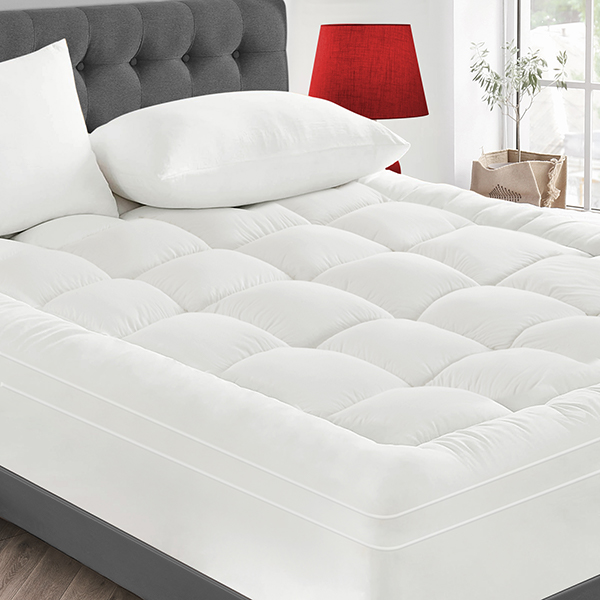
Down Alternative: Soft, fluffy, and plush (like sleeping on a cloud). Usually polyester fiber. Good for adding softness without allergy concerns of real down.
Feather bed: Similar plushness to down alternative, often uses real feathers (can be allergenic) or blends.
Wool: Naturally temperature-regulating (warm in winter, cool in summer), moisture-wicking, and dust-mite resistant. Offers gentle cushioning and support. Often more expensive.
Key Scenarios: Which One Do You Actually Need? (Or Both?)
Let's translate this into real-life situations:
1. "I want to protect my brand new (or expensive) mattress."
Solution: Mattress Pad. This is non-negotiable. Shield your investment from day one against stains, spills, and allergens. Should you use a mattress pad on a new mattress? Absolutely – start protecting it immediately.
2. "My mattress is too hard. I wake up with sore hips/shoulders."
Solution: Mattress Topper. Look for plush options: 2-3 inches of soft memory foam, down alternative, or a feather bed. A pad won't provide enough cushioning.
3. "My mattress is too soft/saggy. I sink in and my back hurts."
Solution: Mattress Topper. Choose a firming topper: 2-3 inches of firm latex or high-density memory foam to add support and improve spinal alignment. A pad offers zero support.
4. "I have allergies or asthma, especially at night."
Solution: Mattress Pad + Encasement. A hypoallergenic, tightly woven pad is essential as a top barrier against dust mites and allergens. For maximum protection, combine it with a zippered allergen-proof mattress encasement that seals the entire mattress.
5. "I sleep hot and wake up sweaty."
Potential Solutions:
If mattress is otherwise comfortable: Try a cooling mattress pad made of bamboo, tencel, or moisture-wicking cotton/polyester. Some have phase-change technology. Should you use a mattress pad designed for cooling? Yes, it can help.
If you also want comfort changes: Opt for a cooling mattress topper (gel-infused memory foam, latex, or wool). Ensure your bottom sheet and pajamas are also breathable.
6. "I have an older mattress that's uncomfortable, but I can't replace it yet."
Solution: Mattress Topper. This is the classic use case. Identify why it's uncomfortable (too firm? too soft? sagging? pressure points?) and choose a topper material that directly addresses that issue (e.g., soft topper for firmness, firm topper for sagging/support).
7. "I have kids/pets, or accidents sometimes happen."
Solution: Waterproof Mattress Pad. This is essential. Look for quiet, breathable TPU membrane pads. Should you use a mattress pad that's specifically waterproof in this scenario? 100% yes – it's crucial for easy cleanup and preventing permanent damage.
8. "My mattress is fine, but I want it to feel a bit plusher."
Solution: A thick, quilted mattress pad might provide a subtle difference. For a noticeable plush upgrade, a thin (1-2 inch) down alternative or feather bed topper is better.
Can You Use Both a Mattress Pad and a Mattress Topper?
Absolutely! In fact, it's often the ideal setup for maximum protection and comfort. Here’s how layering typically works:
1. Mattress
2. Mattress Pad (For primary protection)
3. Mattress Topper (For comfort modification)
4. Fitted Sheet
This combination gives you the best of both worlds: your mattress is shielded by the pad, while the topper adjusts the feel to your preference. Should you use a mattress pad under a topper? Definitely – it protects your mattress from any sweat or oils that might penetrate the topper, and protects the topper itself from direct spills/stains through the sheet.
Important Considerations When Choosing
Thickness: Pads are thin (<1.5"). Toppers are thick (1-4"+). Ensure your fitted sheets have deep enough pockets to accommodate the total height (mattress + pad + topper).
Material & Feel: Consider sleep position (side sleepers often need softer pressure relief, back/stomach may need firmer support), temperature needs, allergies, and desired feel (contouring, bouncy, fluffy).
Size: Match your mattress size exactly (Twin, Full, Queen, King, Cal King). Toppers should lay flat; pads need to stretch snugly.
Care Instructions: Pads are often machine washable – check labels! Toppers usually require spot cleaning; some memory foam/latex can be delicate. Using a pad under the topper significantly reduces how often the topper itself needs cleaning. Always protect your topper with a pad.
Durability: Quality varies. Latex toppers last longest (5-10+ years). Higher density memory foam lasts longer than cheaper low-density foam. Good quality pads can last several years with regular washing.
Budget: Pads are generally more affordable ($25-$150+). Toppers range widely ($50-$500+) based on size, material, and quality. Invest wisely based on your primary need (protection vs. comfort transformation).
Conclusion: Making Your Smart Choice
So, mattress pad or mattress topper? The answer boils down to your primary need:
Choose a Mattress Pad: Your fundamental purpose is defending your mattress from spills, stains, allergens, dirt mites, and daily put on and tear. Should you use a mattress pad? If you value mattress longevity, hygiene, assurance compliance, or have precise safety wants (kids, pets, allergies) – YES, it is essential.
Choose a Mattress Topper: Your main goal is altering how your mattress feels – making a firm mattress softer, a soft mattress firmer, including plushness, relieving strain points, or offering greater support. A pad might not acquire this.
Choose Both: You want comprehensive protection and a customized comfort upgrade. This layered approach (Mattress > Pad > Topper > Sheet) offers the best of both worlds.
Still unsure? Ask yourself these key questions:
1. What's my biggest problem? (Protection? Discomfort? Allergies? Heat?)
2. What's my budget?
3. How much change do I need? (Minor feel adjustment vs. major comfort overhaul)
By perception the awesome roles of pads and toppers, you can confidently make investments in the solution that will actually enhance your sleep and shield your mattress investment.
What's your largest mattress venture proper now? Are you leaning closer to a pad, a topper, or both? You can contact us (davidchiu@cnanqier.com) and we will grant you with professional recommendation to assist you make the right choice.