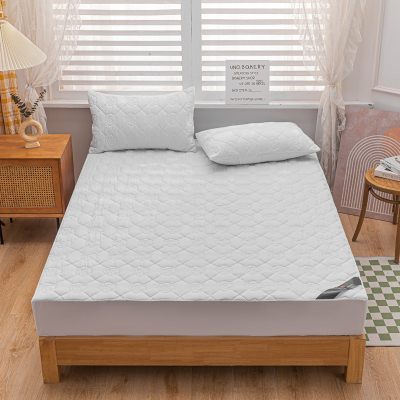
2026 Bedding Industry News: Why Smart Buyers Are Ditching Cheap Waterproof Mattress Protectors
If you’ve been sourcing bedding lately, you’ve probably noticed the same shift we have: more and more importers, hotel buyers, and retail brands are walking away from ultra‑cheap waterproof mattress protectors—and going straight for products that balance real quality with fair pricing.
It’s not just a trend. It’s a smarter way to do business.
The global waterproof mattress protector market keeps booming, driven by residential users, hotels, and healthcare facilities alike. But after years of chasing the lowest price, buyers are finally waking up: the cheapest option almost always costs more in the long run.
We’re talking peeling layers after shipping, membranes that crack after a few washes, weird odors, customer complaints, returns, and even brand damage. Industry numbers back it up: nearly 45% of users who buy super‑low‑cost protectors report product failure within just a few months.
What’s Actually Behind the Hype? Real Quality, Real Comfort
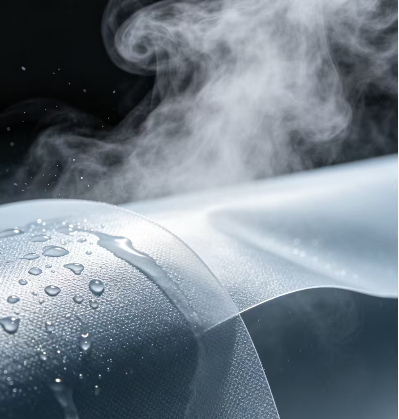
Let’s cut through the marketing noise. A truly reliable waterproof mattress protector isn’t just “waterproof.” It needs to:
Block liquids completely without trapping heat
Stay soft, quiet, and comfortable all night
Hold up through dozens of washes
Meet safety and eco‑standards for your marke
Modern protectors use microporous TPU film instead of old‑school PU or stiff vinyl. TPU is thinner, softer, more durable, and way more breathable. It stops spills, sweat, and stains—but lets air and vapor pass through so you don’t wake up sticky.
Top‑side fabrics matter too:
Cotton: gentle for sensitive skin
Polyester: tough and budget‑friendly
Bamboo: naturally antibacterial, cooling, and sustainable
And let’s not forget stitching, elastic fit, and deep pockets. Cheap protectors often fail at the seams. Good ones use reinforced stitching and strong elastic that fits 8–18‑inch mattresses and stays snug wash after wash.
Certifications Aren’t Optional Anymore—They’re Your Safety Net
If you’re selling in Europe, North America, or any serious market, you already know: labels aren’t enough. You need proof.
Buyers today ask for:
OEKO‑TEX Standard 100: no harmful chemicals
ISO 9001: consistent factory quality control
ISO 811 waterproof test reports: minimum 8,000mm water pressure resistance
GRS: if you’re using recycled materials

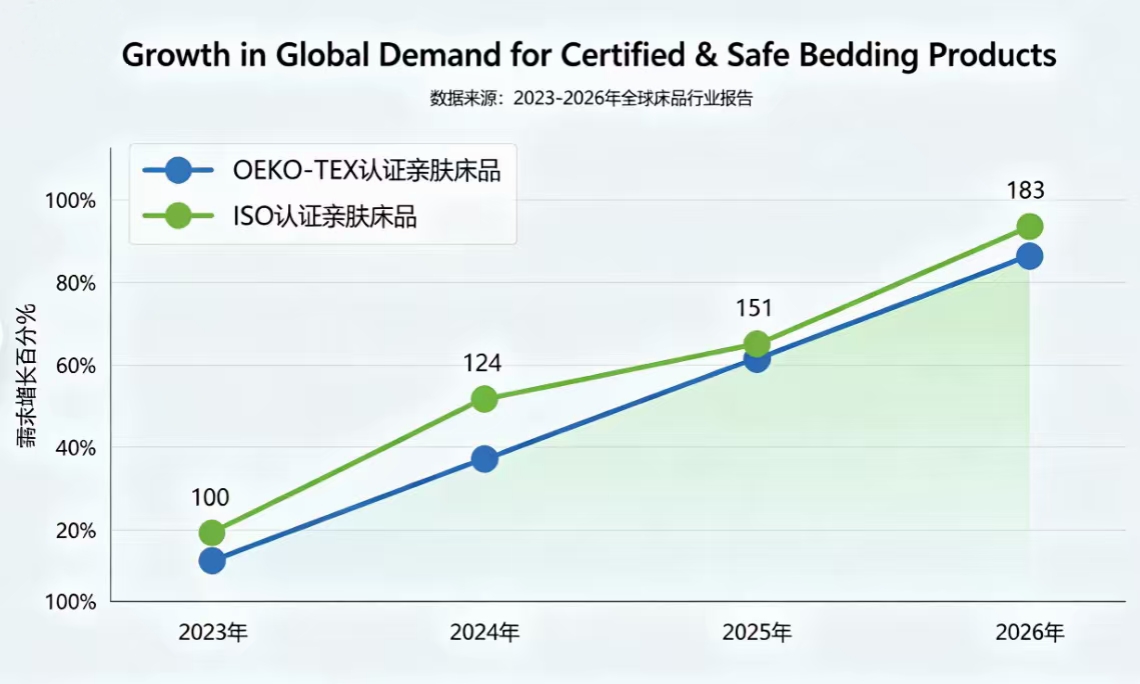
These aren’t extra hoops. They help you avoid customs holds, product recalls, and liability headaches.
The Real Math: Why Paying 15–20% More Saves You 30–40% Long‑Term
Here’s the part that makes every buyer smile:
A slightly better‑priced, tested, certified protector often has a lower total cost of ownership than the cheapest option.Why?
Fewer defects
Fewer returns
Happier customers
Less brand risk
Longer product lifespan
Lower replacement and logistics costs
Who’s Driving This Change? Everyone
Hotels: need durability, hygiene, and consistent guest comfort
Healthcare: strict cleanliness, infection control, and frequent washing
Retail brands: want loyal customers, not one‑time complainers
Importers: need products that pass customs and keep buyers coming back