From Cotton to Bamboo: The Science Behind 2025’s Most Popular Bedding Materials
In 2025, the international bedding market is present process a transformative shift—one pushed now not via fleeting trends, however by means of data-backed fabric innovation. As buyers an increasing number of prioritize sleep health, sustainability, and useful performance, two substances have emerged as the unequalled stars of the industry: cotton, the conventional classic, and bamboo, the eco-conscious upstart. Let’s unpack the science, market dynamics, and sleep advantages that make these substances the spine of cutting-edge bedding.
The Bedding Revolution: Why Materials Matter More Than Ever
Gone are the days when bedding was once judged fully by means of thread matter or color. Today, sleep science has tested that the substances we sleep on immediately influence sleep quality, pores and skin health, and even our carbon footprint. A 2025 survey via the National Sleep Foundation published that 78% of consumers now prioritize “health-focused features” in bedding, with breathability (62%), allergen resistance (58%), and sustainability (55%) topping the list.
Against this backdrop, cotton and bamboo have risen to prominence—not simply for their comfort, however for their capacity to tackle these crucial purchaser needs. Let’s dive into their special properties.
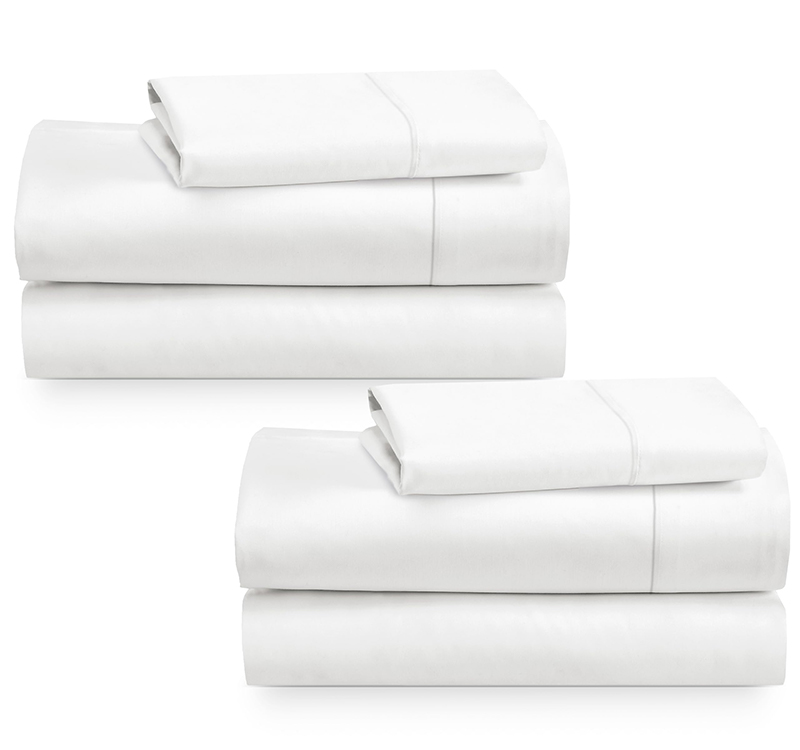
Cotton: The “Original” Sleep Superstar, Reinvented
Cotton has been a staple in bedding for over 7,000 years, however 2025’s cotton is a a ways cry from its humble origins. Thanks to developments in farming, processing, and sustainability, it stays a cornerstone of the industry.
The Science of Cotton’s Sleep-Friendly Design
At its core, cotton’s success lies in its natural fiber structure:
1. Breathability through nature: Cotton fibers are porous, with a hole central canal that acts like a “micro-ventilation system.” This approves air to flow into freely, stopping warmness buildup—a indispensable element for retaining the most reliable sleep temperature (18-22°C). Studies by means of the Journal of Sleep Research affirm that cotton sheets decrease hour of darkness awakenings by way of 30% in contrast to artificial fabrics.
2. Moisture management: Cotton can soak up up to 27 instances its weight in water besides feeling damp, wicking sweat away from the body. This “moisture wicking” property is in particular critical in humid climates, the place damp sheets can disrupt sleep cycles.
3. Hypoallergenic benefits: Unlike polyester or nylon, cotton doesn’t entice dirt mites, pet dander, or mildew spores. A 2025 find out about in the Allergy & Asthma Proceedings observed that cotton bedding decreased allergic reactions by using 45% in touchy individuals.
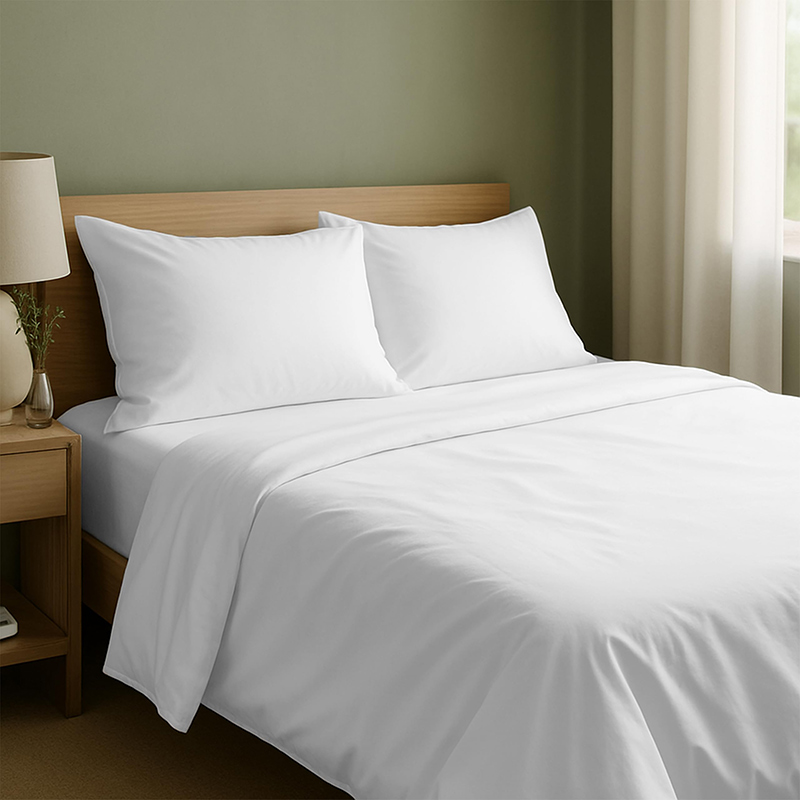
2025’s Upgrade: Sustainable Cotton Takes Center Stage
Modern cotton isn’t simply about comfort—it’s about ethics. Today, 65% of top class bedding manufacturers use sustainable cotton licensed by using the Better Cotton Initiative or Global Organic Textile Standard. These certifications ensure:
1. Reduced water use: BCI cotton farms use 91% much less water than traditional methods.
2. No damaging chemicals: Organic cotton eliminates pesticides, which can irritate pores and skin and pollute water systems.
3. Longer lifespan: Sustainable processing strategies end result in fabric that maintain softness after 50+ washes, in contrast to 20-30 washes for non-organic cotton.
Bamboo: The Eco-Cool Contender
Bamboo bedding has exploded in reputation over the previous three years, with world income developing with the aid of 120% considering the fact that 2023. Its upward thrust is no accident—it’s rooted in each environmental advantages and contemporary cloth science.
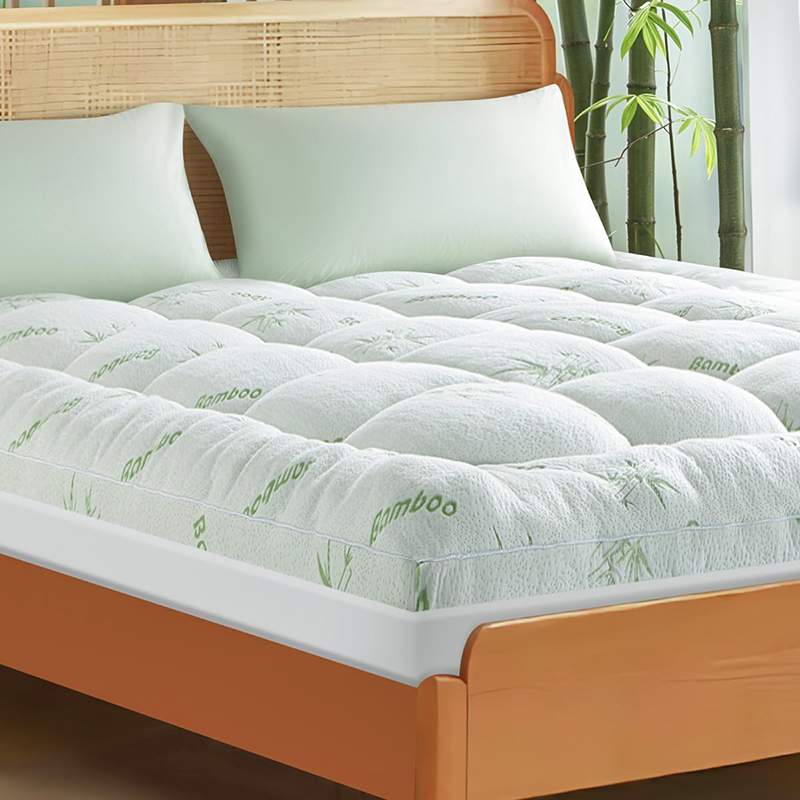
The Bamboo Advantage: Nature’s Engineered Fiber
Bamboo isn’t just fast-growing (it regenerates in 3-5 years, vs. 20+ years for trees); its natural properties make it a sleep game-changer:
1. Antimicrobial power: Bamboo includes bamboo kun, a bioactive compound with herbal antibacterial and antifungal properties. A 2025 learn about in the Journal of Textile Science discovered that bamboo fabric inhibited 99.8% of Staphylococcus aureus (a frequent pores and skin bacterium) and 98.5% of Candida albicans (a fungus), making them best for eczema or acne-prone skin.
2. Luxurious softness: Bamboo fibers are finer than cotton, growing a texture that competitors silk. This ultra-soft sense reduces friction towards the skin, minimizing sleep disruptions from itching or irritation.
3. Adaptive temperature control: Bamboo’s micro-gaps in fiber shape act like a “natural thermostat.” In winter, they entice physique heat; in summer, they launch it—keeping sleepers at ease in climates ranging from -5°C to 35°C.
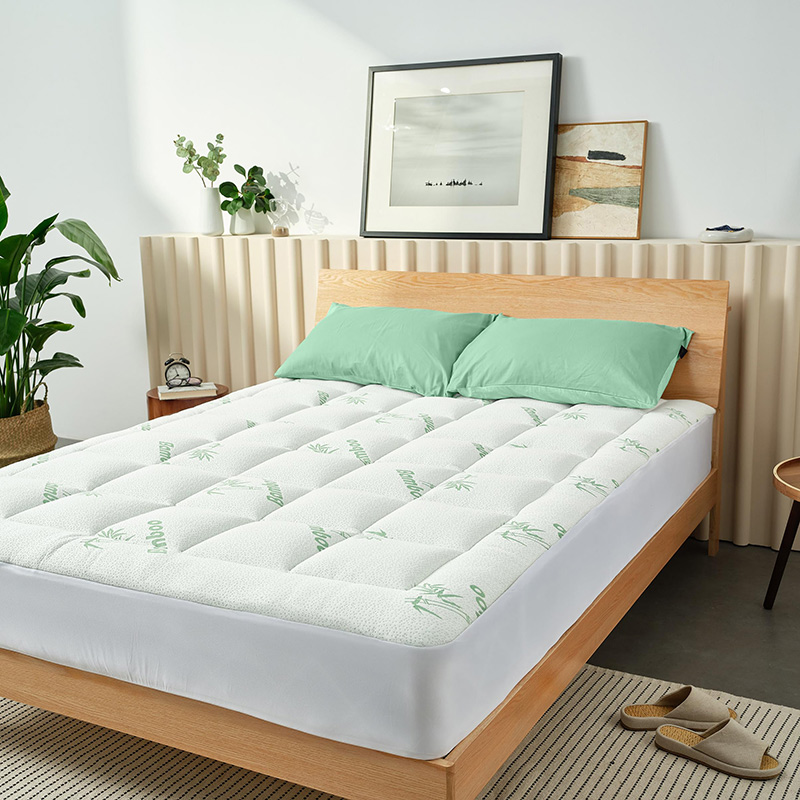
Eco-Cred: Bamboo’s Sustainability Edge
Bamboo’s environmental footprint is unmatched:
1. Zero pesticides: Bamboo’s natural antimicrobial properties mean it doesn’t require chemical pesticides to grow.
2. Water efficiency: It uses 1/3 the water of cotton and 1/5 that of linen.
3. Carbon sequestration: Bamboo forests absorb 35% more CO₂than equivalent tree forests, making them a critical tool in combating climate change.
Why These Materials Define 2025’s Bedding Future
In a market flooded with “miracle fabrics,” cotton and bamboo stand out for one reason: they’re proven. Cotton’s centuries of reliability, paired with current sustainability upgrades, make it a timeless choice. Bamboo, meanwhile, combines eco-credentials with present day performance, attractive to a new era of sleep-conscious shoppers.
Whether you’re a warm sleeper in Miami, a sustainability recommend in Berlin, or anybody who actually values a desirable night’s rest, there’s a fabric right here to radically change your sleep.